Understanding gambling addiction A guide to prevention and awareness
What is Gambling Addiction?
Gambling addiction, often referred to as compulsive gambling, is a behavioral disorder characterized by an uncontrollable urge to gamble despite negative consequences. It can affect individuals from all walks of life, leading to financial distress, emotional turmoil, and strained relationships. Many people may start gambling as a form of entertainment or social interaction, but for some, it can evolve into a compulsive behavior that disrupts their daily lives.

At its core, gambling addiction is driven by the thrill of winning and the excitement that comes with taking risks. The brain’s reward system becomes activated during gambling, releasing dopamine, a neurotransmitter associated with pleasure. Over time, individuals may find themselves needing to gamble larger amounts or more frequently to achieve the same level of excitement, leading to a cycle of addiction that becomes increasingly difficult to break. fair go casino
Understanding the nature of gambling addiction is crucial for those affected and their loved ones. Recognizing that it is a serious mental health issue can encourage individuals to seek help. Awareness of the signs and symptoms, such as lying about gambling habits or chasing losses, can also pave the way for early intervention and support, potentially preventing further damage.
Signs and Symptoms of Gambling Addiction
Identifying the signs of gambling addiction can be challenging, as many individuals may hide their behaviors out of shame or denial. Common symptoms include preoccupation with gambling, irritability when attempting to cut back, and a pattern of unsuccessful attempts to control or stop gambling. These signs can manifest in various ways, impacting an individual’s work life, family relationships, and overall mental health.
Another significant indicator of gambling addiction is the tendency to gamble to escape from stress or negative emotions. Many individuals turn to gambling as a coping mechanism, believing that winning can resolve their problems. This reliance on gambling to relieve emotional pain can create a vicious cycle, where losses lead to further gambling in hopes of recovery, ultimately exacerbating the emotional distress.
Financial problems often accompany gambling addiction, with individuals accumulating debt to fund their gambling habits. They may resort to borrowing money, stealing, or neglecting their financial responsibilities. Recognizing these warning signs not only helps those struggling with addiction but also alerts family and friends, encouraging them to intervene and provide support or seek professional help.
Effects of Gambling Addiction
The effects of gambling addiction are profound and far-reaching. On a personal level, individuals may experience significant emotional distress, including anxiety, depression, and feelings of hopelessness. As the addiction takes hold, individuals may isolate themselves from loved ones, resulting in damaged relationships and decreased social interactions.
Financial consequences are another serious effect of gambling addiction. Individuals may find themselves in crippling debt, losing their savings, and facing potential bankruptcy. This financial strain can lead to increased stress and feelings of despair, further perpetuating the cycle of addiction. The stigma surrounding gambling addiction often compounds these challenges, leaving individuals feeling ashamed and reluctant to seek help.
Moreover, gambling addiction can have broader societal implications. Families often bear the brunt of the financial and emotional fallout, leading to tension and conflict. Communities may also feel the impact, with increased rates of crime associated with gambling-related financial desperation. Understanding these effects underscores the importance of raising awareness and promoting resources for prevention and recovery.
Prevention and Awareness Strategies
Prevention and awareness are key components in addressing gambling addiction. Education plays a vital role in informing individuals about the risks associated with gambling. Awareness campaigns can help spread knowledge about the signs and consequences of gambling addiction, encouraging individuals to seek help early on. By fostering open discussions about gambling behaviors, communities can break down stigma and create supportive environments.
Establishing healthy gambling habits is also crucial in prevention efforts. Individuals should set clear limits on time and money spent on gambling activities, treating it as entertainment rather than a means of income. Encouraging self-awareness can help individuals recognize their triggers and avoid risky situations that may lead to compulsive gambling behaviors.
Support systems, such as counseling and support groups, are invaluable resources for individuals at risk of developing gambling addictions. Engaging in activities outside of gambling, such as sports or hobbies, can also provide healthy alternatives for stress relief and socialization. By emphasizing the importance of prevention and awareness, communities can work together to reduce the prevalence of gambling addiction and promote healthier choices.
Resources for Help and Recovery
When gambling addiction becomes overwhelming, seeking professional help is essential. Numerous resources are available for individuals struggling with addiction, including therapy, support groups, and hotlines dedicated to gambling issues. Therapists trained in addiction can provide tailored strategies to help individuals understand their behaviors and develop healthier coping mechanisms.
Support groups, such as Gamblers Anonymous, offer a community of understanding and shared experiences. These groups provide a safe space for individuals to share their stories, learn from others, and gain valuable insights into their recovery journey. Connecting with others facing similar challenges can foster hope and motivation, significantly aiding in the recovery process.
Many online and offline resources also provide educational materials, counseling services, and workshops focused on gambling awareness and prevention. By utilizing these resources, individuals can empower themselves and take the necessary steps towards recovery, breaking free from the cycle of addiction and reclaiming control over their lives.
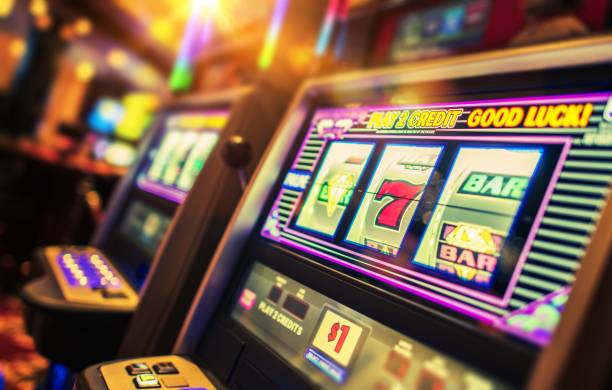
Fair Go Casino: Promoting Responsible Gambling
Fair Go Casino recognizes the importance of responsible gambling and actively promotes awareness and education to prevent gambling addiction. As a platform catering to casual players, it emphasizes user-friendly experiences, providing information on safe gambling practices. This commitment helps ensure that gambling remains an entertaining activity without leading to addiction.
The casino also offers resources for players who may be struggling with their gambling habits, encouraging self-exclusion options and providing access to support services. By prioritizing responsible gambling, Fair Go Casino aims to create a safe environment for its users, helping them enjoy gaming while being mindful of the associated risks.
In conclusion, understanding gambling addiction is crucial for prevention and awareness. By fostering open conversations, encouraging healthy gambling practices, and providing access to resources, individuals and communities can combat gambling addiction effectively. Fair Go Casino remains dedicated to promoting responsible gambling, ensuring that players can enjoy their experiences safely and responsibly.